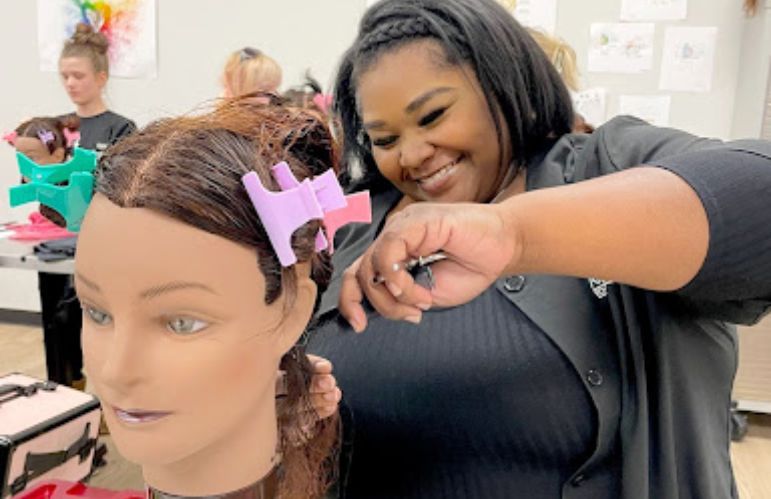
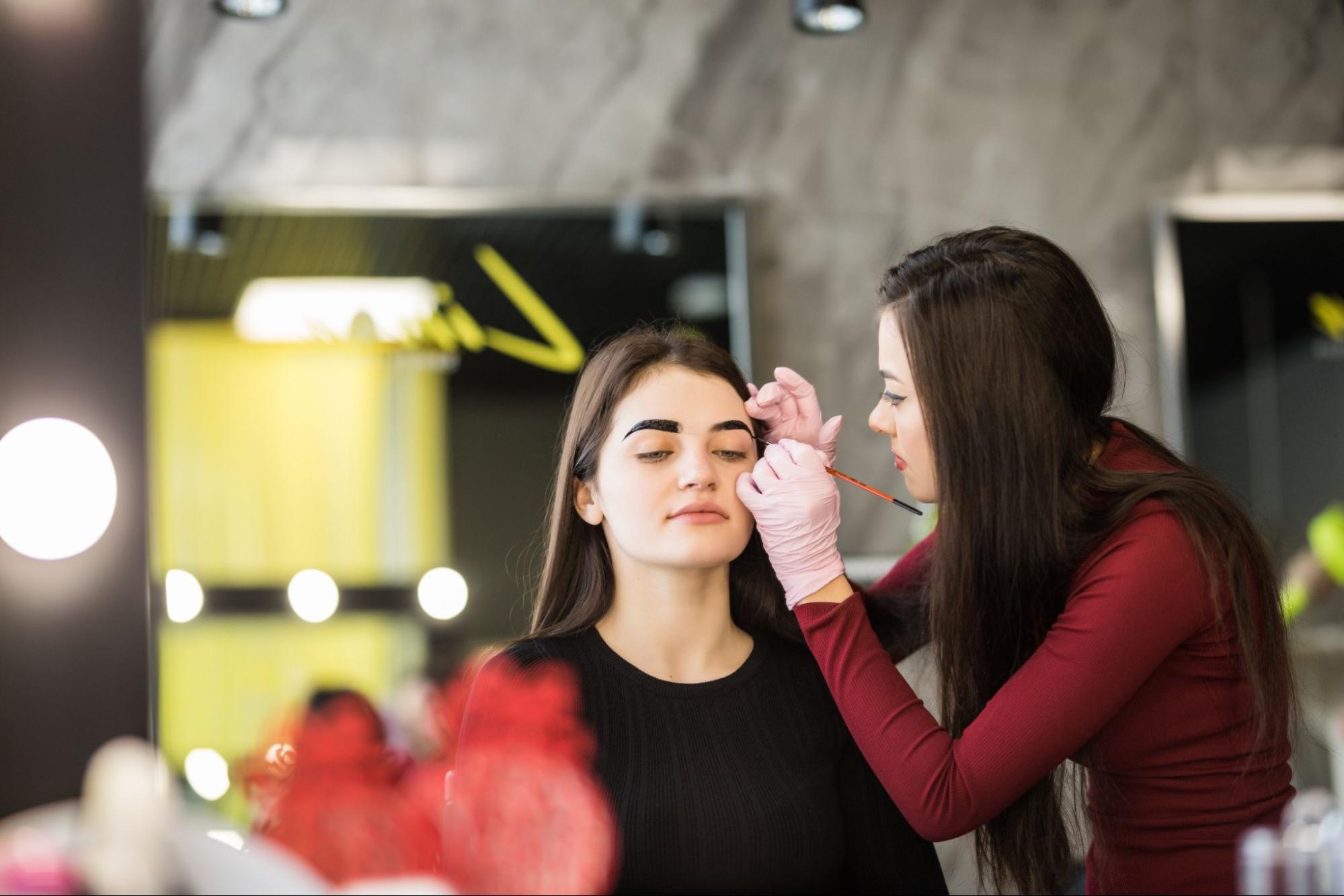
A mannequin never asks for a different haircut halfway through a service. It never arrives, nervous about a big event. It never wonders whether a new color will suit its look.
Real clients do.That difference is often where cosmetology students discover that success in the beauty industry involves more than technical skill. Every appointment includes communication, trust, professionalism, and the ability to make someone feel comfortable in the chair. Learning how to navigate those moments can feel intimidating at first, but confidence grows with practice, guidance, and experience.
For students pursuing cosmetology Greenville SC training, developing strong client interaction skills is an important part of the learning journey. From classroom instruction to hands-on practice and student salon experiences, confidence is often built one conversation, one service, and one success at a time.
Why Confidence Matters in Cosmetology Training
Cosmetology is a people-focused field. A student may learn how to cut, color, style, and prepare for the state board, but each service also involves communication.
A client may arrive with a clear idea in mind. Another may need help explaining the look they want. Some clients may feel nervous, unsure, or open to suggestions. That is why confidence matters before a student begins working with real clients.
Confidence helps students ask better questions. It can also help them stay calm, listen closely, and follow each step with more care. In beauty training, confidence is not about acting like everything is already mastered. It is about learning how to grow with each practice moment.
Learning the Basics First
Before working with real clients, students need a strong foundation. This begins with learning core cosmetology skills in a structured way.
At Kenneth Shuler School of Cosmetology, the cosmetology program includes training in areas such as cutting, coloring, state board preparation, and career success. These skills help students understand both the technical side of beauty work and the professional habits needed in a salon setting.
The early stages of training can help students become more comfortable with tools, techniques, sanitation habits, and service steps. When the basics become more familiar, students may feel more prepared to focus on communication and client care.
Practice Builds Comfort Over Time
Confidence often grows through doing the same skill more than once. A student may feel unsure the first time a sectioning pattern, color application, or styling technique is introduced. With guidance and practice, those steps can begin to feel more natural.
Hands-on training gives students the chance to turn instruction into action. Instead of only learning about a technique, students can practice how the process works from start to finish.
This practice can help reduce hesitation. Each completed task gives students a better sense of what they know, what still needs work, and how they can keep improving. Small wins over time often create the steady confidence needed before working with real clients.
Building Client Interaction Skills Early
Strong client interaction skills are part of becoming comfortable in a salon environment. These skills include greeting clients, asking thoughtful questions, listening without rushing, and explaining service steps in a clear way.
Students can begin developing these habits before they ever work with a real guest. Roleplay, instructor feedback, and guided practice can help students learn how to speak professionally while staying friendly and approachable.
Client interaction also includes body language and tone. A calm greeting, respectful listening, and clear communication can help create a more positive experience for the person in the chair. These small habits can make a student feel more prepared when client services become part of training.
Learning How to Ask the Right Questions
A major part of client confidence comes from knowing how to begin a conversation. Many students worry about saying the wrong thing or missing an important detail.
That is where consultation skills can help. A student may learn to ask about hair goals, maintenance habits, past services, styling preferences, and comfort level. These questions help create a clearer picture before a service begins.
Good questions also show care. They help clients feel heard and give students more information to work with. Over time, asking the right questions can become a natural part of the service process.
Getting Comfortable With Feedback
Feedback is an important part of beauty training. It helps students understand what is working and where improvement is needed.
At first, feedback can feel personal. Over time, students often learn that feedback is a tool for growth. It gives them a clearer path forward and helps them build better habits.
Licensed instructors can help guide students through the learning process. When feedback is given during practice or training, students can make adjustments before they move into more advanced experiences. This can help build confidence in a steady and supportive way.
Why the Student Salon Experience Matters
A student salon setting can help bridge the gap between classroom practice and real client interaction. It gives students the chance to apply what they have learned while still being guided.
Student salon services are performed by students under the supervision of licensed instructors. This type of setting can help students practice professionalism, timing, communication, and service flow.
For many students, this is where confidence begins to feel more real. They learn how to welcome a guest, follow a service process, and stay focused while someone is in the chair. These experiences can help students feel more prepared for future opportunities after training.
Learning Professional Habits
Confidence is not only about technical skill. It also comes from professional habits.
Students may build confidence by learning how to stay organized, keep a clean station, manage time, and prepare for each service. These habits can create a stronger sense of control during busy training days.
Professional habits can also support better client experiences. When students are prepared, they may feel calmer. When they feel calmer, communication may become easier. This is one reason day-to-day habits matter in cosmetology training.
Career Skills Beyond the Chair
Cosmetology students also benefit from learning about the business side of beauty. The website notes that ProsperU business training is part of the curriculum.
Business education can help students understand professional presentation, career readiness, and skills that may be useful beyond technical services. These lessons can support confidence because students begin to see the bigger picture of the beauty industry.
A student who understands both service skills and professional behavior may feel more prepared to enter a salon environment. This kind of preparation can help connect classroom learning with real-world expectations.
Why Greenville Students Benefit From Local Training
Students exploring cosmetology Greenville SC training often look for a learning environment that allows them to build skills while staying connected to their local community.
Training locally may offer advantages such as:
- A convenient campus location for students living in the Greenville area
- Opportunities to develop skills in a hands-on learning environment
- Day and night classes, depending on program availability
- Guidance from licensed instructors throughout the training process
- Student salon experiences that help build confidence and professionalism
- Career-focused education that combines technical and professional development
The Greenville campus allows students to learn, practice, and prepare for future licensure requirements in South Carolina.
Programs vary by location. Financial aid is available to those who qualify. Licensure requirements vary by state.
How Confidence Grows Before Real Client Work
Confidence before working with real clients is built through many small steps. It grows when students learn the basics, practice techniques, receive feedback, and build communication habits.
Some important confidence-building steps include:
- Practicing technical skills regularly
- Learning how to ask clear consultation questions
- Listening carefully during feedback
- Developing professional habits
- Becoming comfortable with service steps
- Building client interaction skills through guided practice
Each step helps students feel more prepared. Confidence grows when learning feels active, supportive, and connected to real salon expectations.
A Learning Environment Built Around Growth and Confidence
The path toward working with real clients begins long before the first appointment in a student salon. It starts with learning how to prepare, communicate, listen, and keep improving.
For Greenville students, cosmetology training can offer a place to build both technical skills and personal confidence. With practice, guidance, and steady effort, students may begin to see themselves not only as learners but as future beauty professionals.
Kenneth Shuler School of Cosmetology offers cosmetology training at the Greenville campus for students ready to take the next step toward a future in beauty. Program availability, schedules, financial aid options, and licensure requirements can vary, so requesting information from the school is a helpful way to learn more about the path ahead.