Every beauty professional starts as a beginner. Before the first client consultation, before the first completed service, and before the confidence that comes from experience, there is a learning process built on practice, repetition, and growth. Every haircut, color application, and styling technique begins as a skill that must be learned one step at a time.
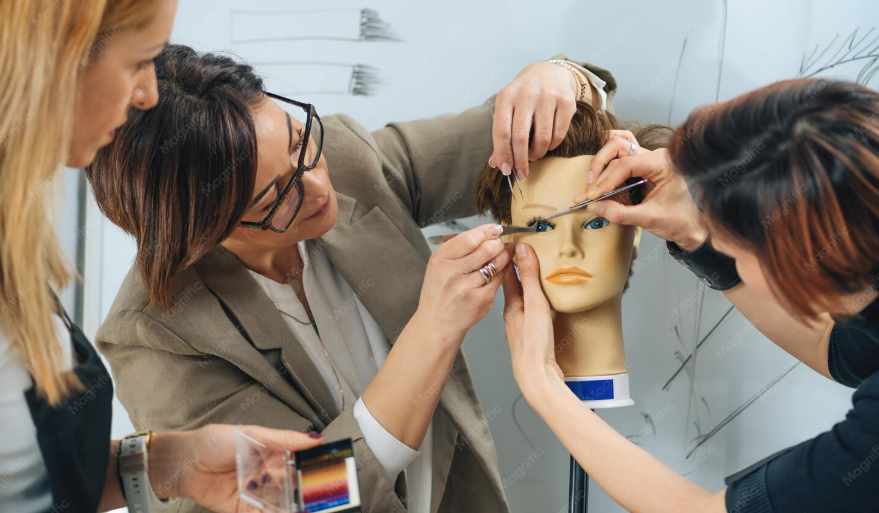
For students exploring cosmetology schools in Augusta, the journey often starts with mannequin practice. These early experiences help build the foundation for stronger cosmetology practice skills, allowing students to develop technical ability, professionalism, and confidence before working with real clients. As training progresses, each new challenge becomes an opportunity to grow and prepare for future experiences in the beauty industry.
Why Mannequin Practice Comes First
Learning cosmetology involves many moving parts. Students are expected to understand techniques, follow service procedures, work with professional tools, and build consistency over time.
Mannequin practice creates a space where students can focus on learning those skills step by step. It allows time to slow down, ask questions, and repeat techniques without the pressure that can come with serving a guest.
Whether practicing a haircut, color application, or styling technique, repetition helps create familiarity. As students become more comfortable with the process, confidence often begins to grow naturally.
Building Cosmetology Practice Skills Through Repetition
Every skill improves through practice.
The first attempt at a haircut may feel challenging. A color application may take longer than expected. A styling technique may require several tries before it feels comfortable. That is a normal part of the learning process.
Strong cosmetology practice skills are often built through repetition. Each practice session gives students another opportunity to refine techniques, improve accuracy, and become more comfortable with professional procedures.
Over time, those small improvements can add up to meaningful growth.
Learning the Flow of a Service
Technical skills are important, but cosmetology training also involves learning how services come together from start to finish.
Students often learn how to prepare for an appointment, organize their workspace, complete a consultation, perform a service, and maintain professional standards throughout the experience.
Understanding service flow helps students develop consistency. It can also make appointments feel less overwhelming because students learn what happens before, during, and after a service.
This type of preparation can become valuable when students begin working with guests in a student salon environment.
Developing Professional Habits Early
Professional habits are often built long before graduation.
Students may learn the importance of arriving prepared, maintaining a clean workstation, managing time effectively, and following sanitation procedures. These habits contribute to a more positive learning experience and help create a professional mindset.
Some important habits students may develop include:
- Staying organized throughout the day
- Preparing tools and supplies before services
- Following sanitation and safety procedures
- Managing appointment timing
- Maintaining a professional appearance
These habits can support both technical growth and personal confidence throughout training.
The Transition to Client Services
Working with real clients introduces a new level of learning.
Each guest brings unique goals, preferences, and expectations. Students begin applying the techniques they have practiced while also learning how to communicate clearly and professionally.
For many students, this transition is an exciting milestone. It represents an opportunity to put classroom learning into action while continuing to build confidence under the supervision of licensed instructors.
This stage often helps students see how technical skills and people skills work together in a professional environment.
Communication Is Part of Every Service
A successful service involves more than technical ability.
Clients want to feel heard, understood, and comfortable throughout their appointment. This is why communication becomes such an important part of cosmetology education.
Students may learn how to:
- Ask thoughtful consultation questions
- Listen carefully to client goals
- Explain service steps clearly
- Respond professionally to feedback
- Create a welcoming experience
These skills often become just as valuable as the technical techniques learned throughout training.
Learning Through Feedback and Guidance
Feedback plays an important role in student growth.
Licensed instructors help students identify strengths while also providing guidance on areas that may need improvement. This process helps students continue developing their skills in a supportive learning environment.
At first, feedback may feel challenging. Over time, many students learn to view it as an opportunity to improve.
Constructive guidance helps students build confidence because it creates a clearer understanding of what is working and what can be strengthened.
The Value of a Student Salon Environment
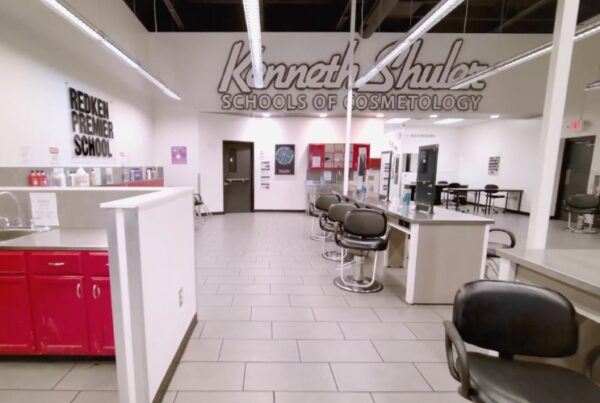
A student salon environment helps bridge the gap between classroom learning and future professional experiences.
Students have opportunities to practice their skills while working with real guests under instructor supervision. These experiences allow students to continue building confidence while applying what they have learned.
Student salon experiences may help students strengthen:
- Technical abilities
- Communication skills
- Consultation techniques
- Time management
- Professional confidence
For many students, these experiences become some of the most valuable parts of their training journey.
Preparing for Opportunities Beyond Graduation
Cosmetology education involves more than technical instruction alone.
According to the Kenneth Shuler School of Cosmetology website, students also participate in ProsperU business training as part of their education. Understanding professionalism, communication, and career readiness can help students prepare for future opportunities in the beauty industry.
Developing both technical and professional skills may help students feel more prepared as they move toward licensure and future career goals.
Why Students Near Augusta Choose Local Training
Students researching cosmetology schools in Augusta often look for a training environment that combines hands-on learning with opportunities to build confidence through practice.
The North Augusta campus offers cosmetology education in a location that may be convenient for students living in the surrounding area.
Benefits may include:
- Hands-on cosmetology training
- Guidance from licensed instructors
- Student salon learning experiences
- Day and night classes, depending on availability
- Opportunities to build professional and technical skills
Programs vary by location. Financial aid is available to those who qualify. Licensure requirements vary by state.
Where Practice Becomes Professional Growth
The journey from mannequin practice to client services is made up of many small steps. Each lesson, practice session, consultation, and client interaction contributes to a student’s development.
For students near Augusta, cosmetology training can offer opportunities to build confidence, strengthen technical abilities, and gain valuable hands-on experience. With consistent practice and guidance, students may continue developing the skills needed for future success in the beauty industry.
Kenneth Shuler School of Cosmetology‘s North Augusta campus offers cosmetology training for students interested in pursuing a future in beauty. Program availability, schedules, financial aid options, and licensure requirements can vary. Exploring available programs can be a helpful first step toward learning more about the cosmetology training journey.