
Choosing an esthetician school or beauty program is about more than class hours and campus location. It is also about whether the training feels broad enough for real client needs.
If a program feels too narrow, you may spend extra time later trying to build confidence around curls, coils, texture awareness, and the kind of service conversations that come up every day in beauty work.
That matters from the start. The habits and mindset you build in school affect how prepared you may feel when transitioning into an entry-level role in the field. A structured learning environment may help students develop confidence, communication skills, and comfort receiving feedback, more comfortable asking questions, and less worried that you will have to fill in every gap on your own after graduation.
Why does natural texture training matter before you enroll?
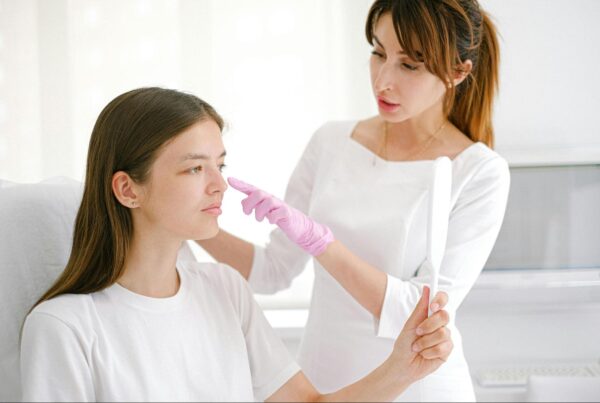
Natural texture training matters because guests do not all have the same hair pattern, styling routine, or service goals. A school that takes that seriously helps students think more clearly about consultation, client comfort, and day-to-day salon work. It also sends a message that broader preparation matters.
That does not mean a school needs to promise every possible specialty. It does mean the training should feel connected to real people. If you want a program that feels relevant once classes begin, this is one area to consider when evaluating programs.
What should you ask a school about curls, coils, and protective styles?
Start with practical questions that reveal how students actually learn. Ask what mannequin heads are included in the student kit. Ask how much hands-on work happens before guest services. Ask how instructors help students get comfortable when a service or texture type feels unfamiliar. Ask how often students receive feedback during live practice.
Those questions can tell you more than polished general language ever will. A school may sound supportive on paper, but your real experience depends on what happens in the classroom and on the student salon floor. The clearer the answers, the easier it is to picture your day once training starts.
How can you tell if a school is serious about real-world preparation?
Look for signs that learning is tied to real service settings. That includes structured practice, instructor feedback, and work with real guests. It also includes tools that help students practice on more than one type of hair.
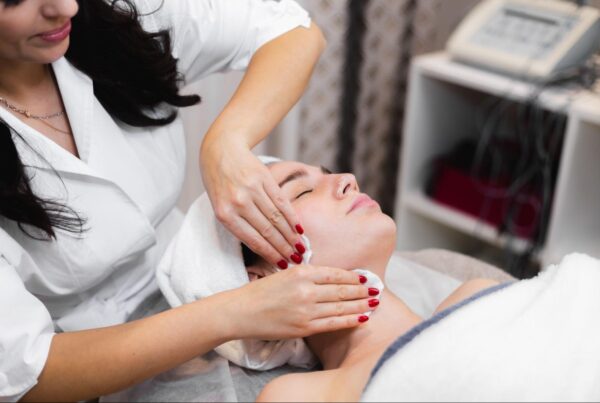
At Kenneth Shuler, students may have the opportunity to perform services on members of the public in a student salon setting under the supervision of licensed instructors, where permitted by state regulations. That matters because service confidence usually grows faster when learning is tied to real interactions instead of theory alone. If your goal is to feel more prepared and less boxed in, that kind of environment can make a difference.
Do tools and kits really matter for texture awareness?
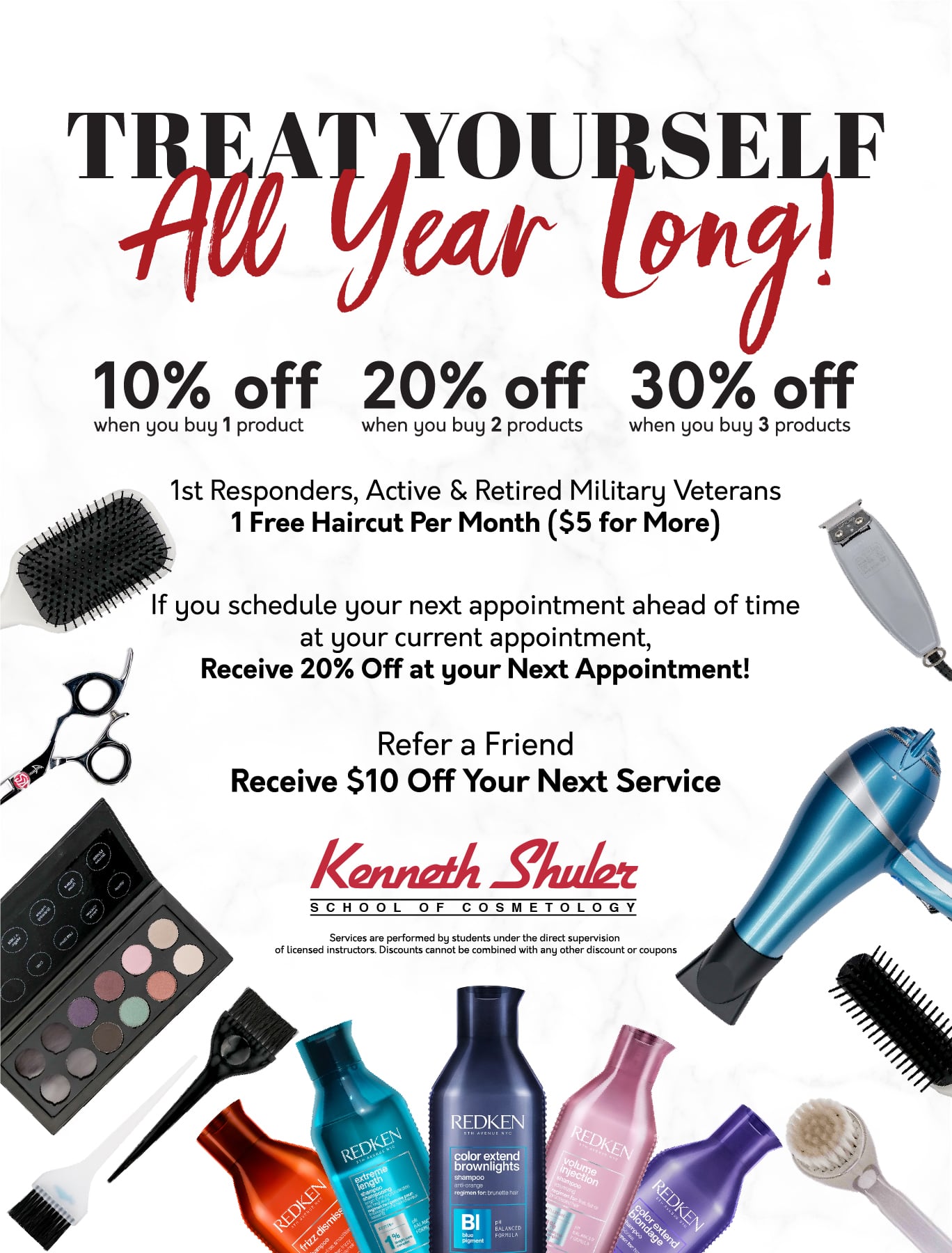
Yes, they do. The tools students use shape what feels familiar over time. Student kits may include mannequin heads, which can vary by program and location. That is a meaningful detail because it gives students a wider practice base than a one-look setup would.
No tool can replace repetition or instruction, but tools do affect comfort. If you are evaluating schools, it is worth asking what comes in the kit and how those tools are used in practice. That keeps the conversation grounded in real preparation instead of vague promises.
Why does hands-on learning matter so much here?
Hands-on learning matters because confidence is built by doing. Watching a demo or reading a chapter can help, but real growth often happens when you practice, get corrected, try again, and start to feel more steady with each pass. That is true across beauty training, and it matters even more in areas where hesitation can show up quickly.
Kenneth Shuler also builds in broader career preparation through Prosper U, which is taught to all students to assist them in strengthening business education in their program. That matters because beauty work is not only about performing services. It is also about communication, professionalism, time management, and the confidence to keep improving.
What support should you look for while making this decision?
Support matters because many students are making a major life change, not just picking a campus. Some are coming straight from high school. Others are changing direction after another job or trying to build something more stable for themselves. In that kind of moment, guidance matters.
Kenneth Shuler gives campuses typically provide access to financial aid guidance and student support resources. Financial aid is available to those who qualify. That kind of support can help take some pressure off the process and make school feel more manageable once classes begin.
What should you look for on a campus tour?
A campus tour should help you picture your real day. Ask how students move from classroom learning into guest services. Ask how feedback is given. Ask what support exists if you feel behind or overwhelmed. Ask how schedule options vary by campus and program.
Kenneth Shuler School of Cosmetology operates multiple campuses in South Carolina with one in West Columbia. An admissions rep also follows up to schedule a tour, which gives prospective students a practical next step. That visit can tell you a lot. You can see the environment, hear how the school talks about student growth, and decide whether it feels like a place where you could build confidence.
What if you are still comparing different paths?
That is normal. Some people start broad and only narrow their focus later. You may begin with location, cost questions, or schedule needs, then realize you also care about whether the program feels current, hands-on, and connected to the people you may serve one day.
That is one reason it helps to think beyond the label of esthetician school or cosmetology school and ask better questions about training depth. The smartest choice is often the one that helps you see how learning will feel in real life, not just how the program sounds in a headline.
What is the smartest next step if this topic matters to you?
A next step may be to research schools, compare programs, and schedule a campus tour. You do not need a program that says everything perfectly. You need one that helps you build confidence, practice consistently, and grow in a setting that feels connected to real beauty work.
If you are looking for an esthetician school that offers hands-on learning, real-client experience, and steady support along the way, Kenneth Shuler makes it easy to find a location near you. A campus tour can help you ask practical questions about training, compare locations, and decide whether this esthetician school path feels right for you.
Programs vary by location. Please contact Kenneth Shuler School of Cosmetology for program availability, curriculum details, and state-specific requirements.