If you’re comparing cosmetology schools in SC, you’re probably thinking about more than passing boards. You’re thinking about building professional skills and preparing for career opportunities in the industry. Retail is part of that, and it’s also where a lot of new pros freeze up.
The risk is simple: If product recommendations are avoided, clients may have difficulty maintaining results at home, which can affect satisfaction and rebooking. That leads to fewer rebooks and more price shopping.
Retail can feel more natural when it’s tied directly to the service you just delivered.
You need a repeatable process that sounds like care: ask one routine question, explain what you noticed, recommend one or two products that solve that specific issue, and show exactly how to use them. Clients buy clarity, not pressure.
How do you recommend retail products without feeling salesy?
Make the recommendation a continuation of the service, not a separate pitch. One helpful approach is to use a simple four-step flow:
- Diagnose: What did you see, feel, or learn in consultation?
- Confirm the goal: “Do you want more shine, less frizz, longer-lasting color, or easier styling?”
- Recommend with a reason: One product that fixes the main problem.
- Teach the use: How much, how often, and what result to expect.
If you can explain the “why” in plain language, most clients hear help, not sales.
Do cosmetology schools teach retail, or do you learn it the hard way later?
Many people learn retail through trial and error after graduation, and that can be expensive. When retail isn’t practiced during training, new stylists often default to one of two extremes: never recommending anything, or rattling off too many products with no clear priority.
A stronger path is learning retail as a client communication skill while you’re still building confidence. That means practicing consultations, explaining maintenance, and making recommendations in a supervised setting so your delivery stays professional and natural.
What should you say? A simple script that keeps it helpful
Use this structure and keep it short:
- Observation: “Here’s what I’m noticing.”
- Impact: “That’s why you’re seeing this result.”
- Recommendation: “This one product fixes the main issue.”
- Instruction: “Here’s how to use it so it works.”
Example (dryness and breakage):
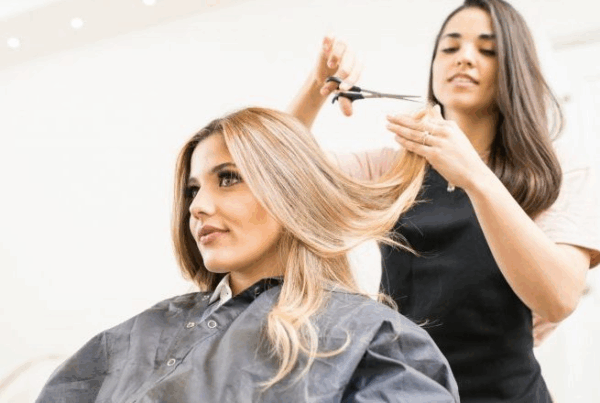
“Your ends are drying out faster than your mids, which is why you’re seeing more breakage when you brush. A lightweight moisture + bond-support product will help. Use a small amount on damp hair, then a tiny bit on the ends on day two. Many clients notice less tangling when using products like this consistently.
When should you recommend products during the appointment?
Timing matters more than charisma. Use these moments:
- During consultation: Ask about routine. “What do you use between visits?”
- Mid-service: Explain what you’re doing and why it matters at home.
- At the finish: Recommend one product that protects the result.
- At checkout: Repeat the how-to in one sentence and move on.
If you wait until the register, it can feel transactional. If you connect it to the service while the client is already seeing the result, it feels logical.
How many products should you recommend to a client?
Start with one. If the client is motivated and engaged, add a second. Most “salesy” moments happen because the recommendation list is too long.
A clean guideline:
- One product for the biggest problem.
- Second product only if it supports the first (protection, scalp, or styling ease).
You can always add later. Clients trust pros who prioritize.
What if the client says “I’ll think about it” or “I’ll buy it online”?
Don’t argue. Protect trust and keep the door open.
Try:
- “Totally fair. If you keep the routine consistent, you’ll get the best results.”
- “If you want, I can write down the exact product type and how to use it so you don’t waste money on the wrong version.”
You still did your job. You educated, guided, and made the next step clear.
What should you look for in cosmetology schools in SC if retail confidence matters?
Look for training that builds habits, not just technique. Ask on a tour:
- Do students practice consultations with real clients in a student salon environment?
- Is business education included, or treated like an optional add-on?
- Do instructors coach language for recommendations, rebooking, and professionalism?
- How do students learn to connect at-home care to service results?
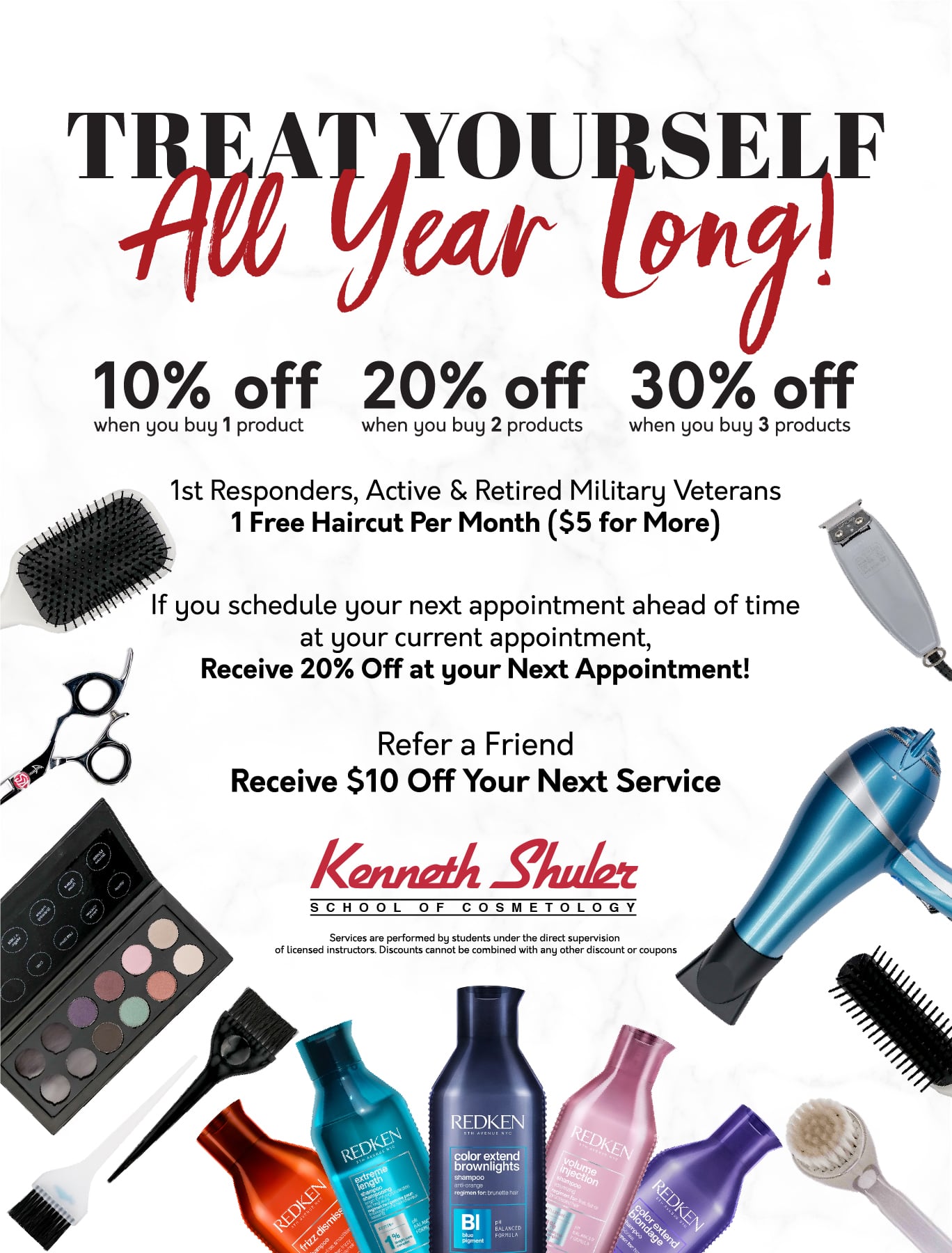
At Kenneth Shuler School of Cosmetology, we emphasize hands-on learning and client-ready communication.
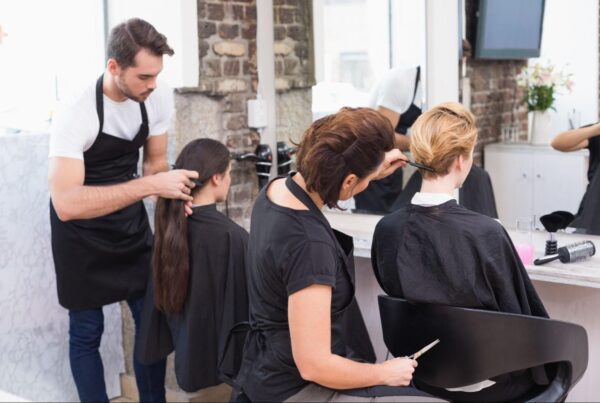
Students may gain practical experience in a student salon setting with licensed instructor supervision, and we also offer career success training intended to help students develop professional business habits.
We offer certificate-style development through our B.O.S.S. program as well, so students can strengthen their professional toolkit while enrolled.
A 5-minute retail routine you can use on every client
If you want a system that feels natural, run this every appointment:
- Ask: “What’s your biggest struggle between visits?”
- Confirm: “So the goal is easier styling and less frizz, right?”
- Recommend: One product, one sentence why.
- Teach: How much and when to use it.
- Set expectation: “You should notice X within the next week.”
- Rebook: “Let’s lock in your next visit so we keep the progress.”
It’s fast. It’s calm. It works because it’s consistent.
Make retail part of the result, not a pitch
The shift is deciding that product recommendations are client care, not pressure. If you can diagnose, explain, recommend, and teach in under a minute, you protect results and build trust without forcing anything. That’s a skill worth prioritizing as you evaluate cosmetology schools in SC.
If you want to learn more about our training approach and how students practice professional skills during their program, reach out to us at Kenneth Shuler School of Cosmetology.