Starting an esthetician school program can feel like a fresh start, but it also puts your daily habits front and center. If your kit is messy, overstuffed, or missing basics, that can slow you down and add stress before a service even begins. A clean setup can support focus and organization during services protect your workspace, and feel more prepared when the day gets busy.
That is why a sanitation reset matters at the start of a new year. When your supplies are easier to sort and your routine makes sense, you may spend less time searching for supplies and more time focusing on learning tasks. In a hands-on training environment, that kind of consistency may help students develop confidence over time and may help students feel more comfortable during client interactions
What should be in a clean kit for esthetics school?
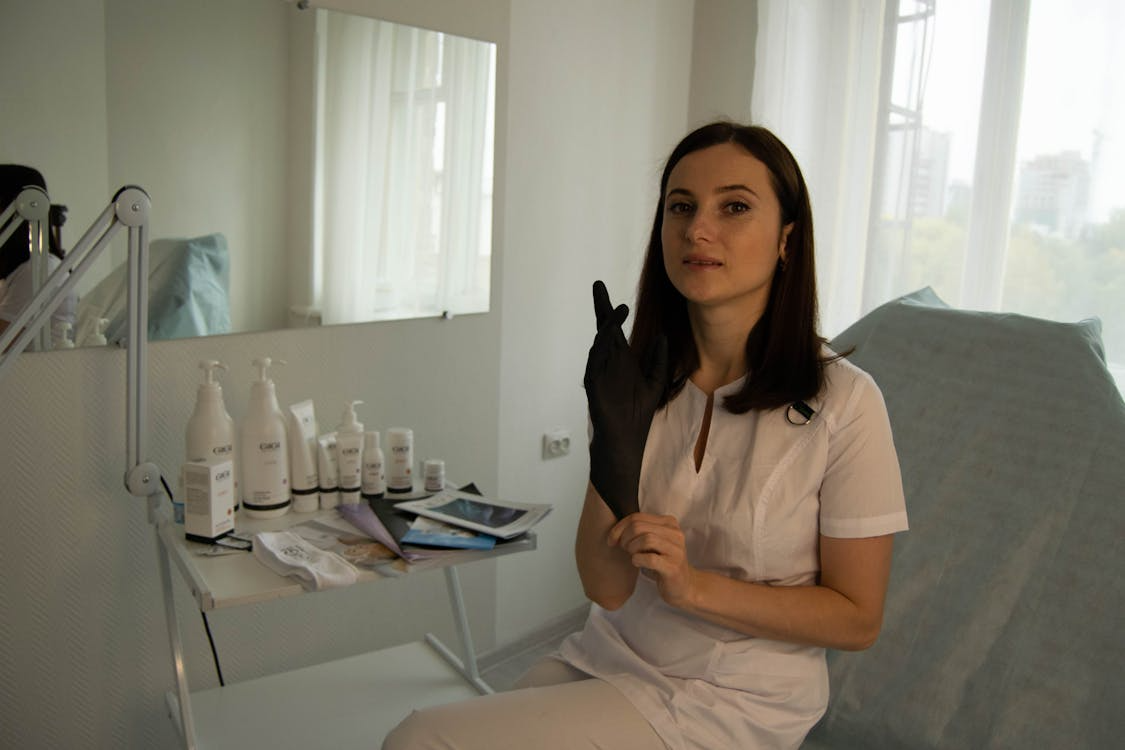
A clean kit should help you keep your hands clean, your station organized, and your supplies easy to manage between services. You do not need a complicated system. It is helpful to have a system that allows you to know what is clean, what is used, and what needs to be restocked.
Many students find it helpful to organize their kit into a few simple groups:
- hand hygiene items
- station cleaning supplies approved by the school
- clean storage for tools and disposables
- separate storage for used items
- backup basics you can reach quickly
- labels, pouches, or dividers that keep everything easy to find
The point is not to carry more. The point is to carry what helps you work in a clean, repeatable way.
What should you replace during a sanitation reset?
Start with anything expired, damaged, leaking, unlabeled, or hard to keep clean. If a container no longer closes well, if your supplies are mixed together, or if you keep carrying items that you do not actually use, your kit may be creating more stress than support.
A reset is also a chance to simplify. Many students think being prepared means carrying everything. In reality, a smaller and better-organized setup is often easier to maintain. If your bag feels crowded and hard to manage, that is usually a sign your routine needs to be cleaned up too.
Why does sanitation matter so much during training?
Sanitation affects safety, timing, and trust. A clean station helps guests feel more comfortable, and it helps you stay focused on the service instead of fixing a preventable problem in the middle of it. Small habits can shape how smoothly the whole day goes.
It also supports confidence. New students often feel nervous because so much is unfamiliar at first. A clear sanitation routine gives you something steady to rely on. That can make a real difference on days when you are still learning how to balance service steps, timing, and feedback.
How should you organize your kit for real service flow?
Organize your kit by task, not by random item type. Keep hand prep items together. Keep station-cleaning items together. Store clean tools away from used items. Put backups in one place so you are not searching for them during a service.
That kind of setup saves time and lowers mental clutter. It can also help you stay calmer, because you are not constantly second-guessing where things are or whether something is still clean. Good organization supports better habits, and better habits are easier to keep once the pace picks up.
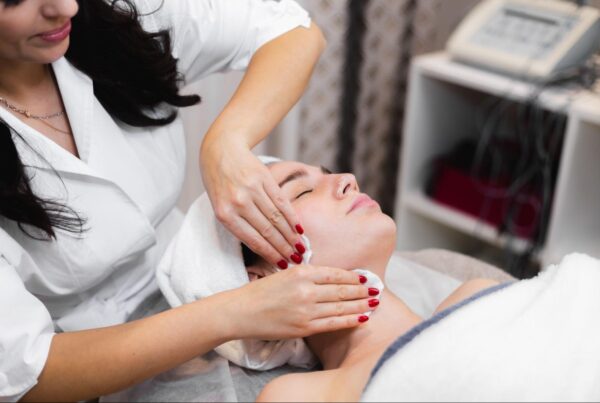
At Kenneth Shuler, students may have the opportunity to perform services on members of the public in a student salon setting under the supervision of licensed instructors, where permitted by state regulations. That makes day-to-day routines matter, because learning happens in a real service environment, not only in theory. Financial aid is available to those who qualify.
What should a school teach about sanitation?
A school should teach sanitation as part of everyday performance. It should be part of how you set up, how you reset, and how you move through the day. The goal is to build habits you can repeat, even when you feel nervous or the room feels busy.
Kenneth Shuler states that its goal is to educate students with the skills and training intended to prepare students for entry-level positions in the field and help prepare students to pursue state licensure examinations.
The school has seven campuses across South Carolina, with West Columbia being one of those, and esthetics is offered at certain campuses depending on location. That matters if you are trying to find an esthetician school that connects daily routines to real training expectations.
What should you ask on a school tour?
Ask practical questions that help you picture your real day. Ask what setup and reset look like. Ask what students are expected to keep with them. Ask how instructors reinforce sanitation habits. Ask what kind of support is available once classes begin.
These questions matter because a tour is more than a chance to see the building. It is your chance to understand how the school works. Kenneth Shuler encourages tours through its admissions process, and campuses typically provide access to financial aid guidance and student support resources. That support can matter if you are balancing school with work, family, or a major life change.
What if you are still comparing local options?
Some people begin with a broad search like hair school in Columbia, SC and the surrounding area before they narrow in on esthetics. That is normal. Early research often starts wide and gets more specific once you know what matters most to you.
If esthetics is your goal, pay close attention to how a school talks about real clients, instructor supervision, and student support. Kenneth Shuler schedule options, including day or evening classes, may be available depending on the program and campus. Seeing a campus in person can help you understand whether the environment feels clear, supportive, and structured in a way that fits your life.
How can a clean routine help you feel more confident?
A clean routine gives you a starting point you can trust. It helps you settle in faster, manage your space better, and put more of your energy into learning. You do not need to have everything figured out on day one. You need a routine that helps you keep moving forward.
That is one of the biggest reasons a sanitation reset is worth doing. When your setup works for you, it becomes easier to stay organized, take feedback well, and feel more confident about the work in front of you.
What is the next step to consider if you are serious about esthetics?
Take an honest look at what you need. Do you want more structure? Do you want training that connects daily habits with real service experience? Do you want support that helps you stay on track once classes begin?
If you are ready to explore an esthetician school where clean habits, real practice, and student support all matter, Kenneth Shuler offers multiple campus locations in South Carolina and has them listed out for you to find a location near you. A campus tour can help you ask better questions, see the environment for yourself, and decide whether this next step feels right for you.
Programs, schedules, kits, and curriculum elements vary by location. Completion of a program does not guarantee employment or licensure. Licensure requirements vary by state. Prospective students should contact Kenneth Shuler School of Cosmetology for details about program availability and state-specific requirements.