A lot of future estheticians worry about the same thing. They want to know whether school will help them feel calm, prepared, and trustworthy with real guests, not just ready for a test.
That is a smart question to ask when you are looking at esthetician schools in Greenville, SC, because client confidence can shape your first services, your rebooking conversations, and how quickly you start feeling comfortable in the room.
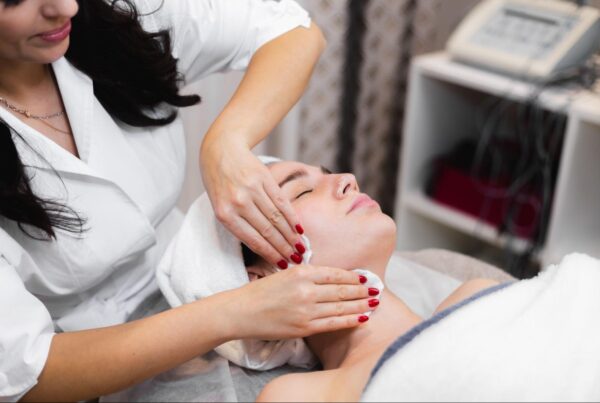
Confidence usually grows through repetition, clear communication, and practice in a real student spa setting. It builds when you learn how to greet a guest, ask the right questions, explain a service clearly, stay organized, and finish strong. That kind of training is designed to support skill development and may help students feel more prepared as they begin working with clients, although individual experiences may vary.
Can esthetics school help you build skills for working with real clients?
It can help support skill development, especially when training includes hands-on work, instructor feedback, and real guest interaction. Technical skill matters, but so does how you speak, listen, explain, and stay steady when someone is trusting you with their skin.
That is why client confidence should matter while you are still choosing a school. If you wait until after graduation to build those habits, the first stretch of work may feel more challenging for some individuals. Many students do not need more pressure. They need more practice, more repetition, and more chances to work through normal guest situations before those moments carry real job pressure.
A structured program is designed to help you build that comfort step by step. You start learning how to stay focused, how to recover if you feel nervous, and how to keep the service moving in a calm and professional way.
What makes clients trust a new esthetician?
Clients often notice the basics first. They notice whether you seem prepared, whether your space is clean, whether you explain the service well, and whether you listen to what they say.
That means confidence is not just about personality. It comes from practicing the same professional habits again and again until they feel natural. A strong esthetician school experience can help you build that rhythm before you start working full-time.
Trust also grows when guests feel informed. When you explain what you are doing, what they may feel during a service, and what comes next, the appointment usually feels smoother. Even if you are still learning, that kind of communication can help support a more professional guest experience.
Why does confidence matter so early?
Early confidence affects more than nerves. It can shape how you handle consultations, how clearly you talk through home care, and how comfortable you feel answering questions on the spot.
It also affects the guest experience. When you seem rushed, unsure, or hesitant, guests may feel that too. When you are calm and clear, the service usually feels smoother for everyone involved.
This matters early because habits form early. If you start training with the idea that confidence is part of the job, you are more likely to treat communication, cleanliness, and consistency as real skills instead of afterthoughts. That can support continued skill development over time.
How does Kenneth Shuler School of Cosmetology help students build confidence?
At Kenneth Shuler School of Cosmetology, esthetics students in Greenville can train in programs of 600 or 450 hours (where applicable), and the campus offers both day and night classes. Program length and requirements vary by state, and completion time may vary based on individual schedule and attendance. That matters because confidence is not only about performing a facial or learning theory. It also grows when you have time to practice, get feedback, and keep building your comfort level in a structured setting.
We also include ProsperU as part of the curriculum, which is an internal professional development component and does not result in a separate license or certification. That matters because confidence shows up in more than service technique. It also shows up in time management, guest communication, retail conversations, and the daily habits that help you feel more prepared.
Students often feel better when training connects the service itself with the real pace of beauty work. That includes showing up ready, staying organized, speaking clearly, and understanding how to carry yourself in a professional setting. Those things can make a big difference in how prepared you may feel as graduation approaches.
How does hands-on practice help you feel more ready?
Hands-on practice gives you a chance to repeat the same service flow until it feels familiar. You stop spending all your energy thinking about every small step and start paying more attention to the guest in front of you.
That shift is important. Real confidence starts to show when your technique and your communication begin working together. The more often you practice in a supervised student spa environment, some students find it becomes easier to stay steady and present during the service with continued practice.
Practice also helps you notice where you still feel slow or unsure. That is useful. It gives you a chance to fix those weak spots while you are still learning, instead of discovering them later in a job setting where the pressure may feel much higher.
Why do consultations matter so much in esthetics?
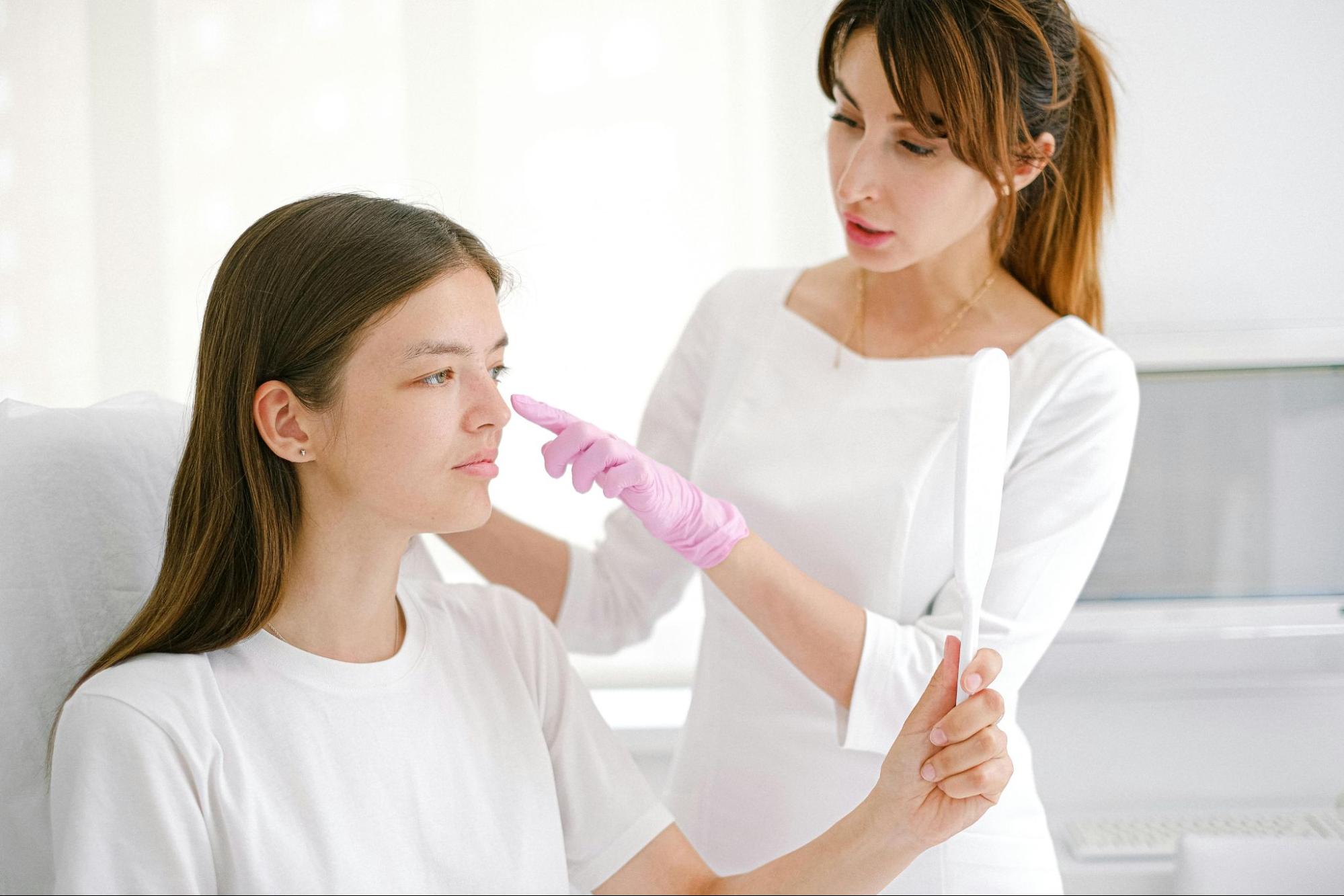
A consultation is often the first test of your confidence. It shows whether you can ask good questions, explain the service clearly, and help the guest feel comfortable before the treatment even begins.
Many students think confidence starts with the service itself. In reality, it often starts earlier. A structured consultation can help set expectations, reduce confusion, and support clear communication with guests.
It can also help you avoid simple mistakes. When you listen carefully and guide the conversation well, you are more likely to understand guest concerns, answer questions clearly, and choose the right next step. That makes the service feel more professional from the beginning.
Can business training help with client confidence too?
Yes, because confidence also shows up when you talk about next steps. Rebooking, retail recommendations, time management, and goal setting are part of real beauty work, and they can feel awkward without practice.
That is one reason we include business training in the student experience. Guests tend to feel more comfortable when you can explain what comes next with clarity and professionalism.
This does not mean sounding pushy. It means learning how to communicate in a way that feels helpful, natural, and informed. That may support communication skills related to guest retention and long-term professional development.
What should you ask on a school tour if confidence matters to you?
Ask how often students work with real guests. Ask how instructors give feedback. Ask what the student spa experience looks like and how students build both service skills and guest communication.
You can also ask about class schedules, program length, and admissions steps. Those details matter because the right fit can make it easier to stay consistent, keep progressing, and feel more grounded as you train.
If you are comparing esthetician schools in Greenville, SC, ask yourself one more question too. Does this program seem like a place where confidence is built through steady practice, or a place where you may have to figure most of that out later on your own?
What should you consider when making a decision?
Look for training that helps you feel more prepared each month, not just more informed. Confidence may develop through structure, repetition, support, and time spent practicing in real or simulated environments.
If you are comparing esthetician schools in Greenville, SC, it helps to look closely at program length, class schedules, hands-on training, and how the school supports student growth. Programs vary by location. Financial aid available to those who qualify. Licensure requirements vary by state.
If you are interested in learning more, find a location near you!
Programs vary by location. Financial aid available to those who qualify. Licensure requirements vary by state. Services performed by students under instructor supervision. Program completion time may vary based on individual pace, attendance, and scheduling.