Starting a career in the beauty industry takes more than creativity and passion. A strong portfolio may help future beauty professionals show their skills, personality, and growth in a way that stands out. For students training in Columbia, building that portfolio during school may help students organize and showcase their work completed during training.
A portfolio gives future employers and clients a closer look at the work completed during training. It may include haircutting techniques, makeup looks, color services, skincare work, or nail artistry depending on the chosen program. Over time, it becomes a visual story of progress and dedication.
Students attending beauty schools in Columbia may begin practicing hands-on skills during training. Taking time to document those experiences may help students create a portfolio that reflects their training and skill development.
Why a Beauty Portfolio Matters
The beauty industry is highly visual. Salons, spas, and beauty businesses often want to see examples of completed work before making hiring decisions. A professional portfolio may help showcase completed student work and technical practice.
A well-organized cosmetology portfolio may help students organize examples of their completed work for future interviews. Instead of only talking about skills, graduates may have photos and examples that support their experience.
The portfolio may include:
- Before-and-after transformations
- Hair coloring techniques
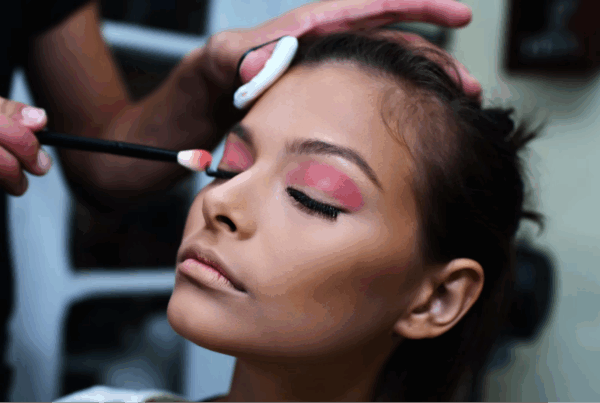
- Makeup applications
- Nail designs
- Styling work
- Skincare results
- Classroom projects
- Photos from student events or competitions
These examples may help document skill development throughout training.
Building Confidence Through Practice
Creating a portfolio is not only about collecting photos. The process itself may help students build confidence while improving their skills. Many beauty students begin by practicing on mannequins, classmates, friends, or guests during training. Taking photos after each completed service can help students notice improvement over time. It may also encourage stronger attention to detail during every appointment.
Students may find it helpful to review earlier work as they continue practicing new techniques. A portfolio may serve as a collection of completed work and practice experiences. According to the U.S. Bureau of Labor Statistics, cosmetology professionals work primarily in salons, spas, and personal care services environments across the United States. Career requirements and opportunities may vary by state and specialty.
Columbia Offers Opportunities for Inspiration
Columbia has a growing beauty community filled with salons, spas, events, and local trends that may inspire students throughout training. Students often gain exposure to different styles, techniques, and client preferences while learning in the area.
Building a portfolio while studying in Columbia may allow students to document a variety of techniques and service experiences. Different hair textures, makeup styles, and beauty preferences may help students develop a broader range of experience. For students interested in cosmetology training, learning in a city with an active beauty community may provide exposure to different styles and techniques.
Social Media and Digital Portfolios
Today, many beauty professionals use digital portfolios alongside printed versions. Social media platforms may allow students to display examples of their work and organize digital portfolios.
Photos with clean lighting, organized layouts, and consistent quality may help create a stronger presentation online. Students may also choose to organize photos by category, such as hair color, bridal makeup, or textured hair styling.
A digital cosmetology portfolio may be updated over time as students and professionals complete additional work. Many professionals update their work regularly as new techniques and trends develop.
Professionalism Starts During Training
A portfolio also reflects professionalism. Keeping photos organized, maintaining high-quality images, and presenting work clearly may show commitment and responsibility.
Beauty professionals often work in environments where presentation matters. Learning how to organize and present completed work during school may support professional development.
Students may also learn the importance of:
- Taking clear consultation photos
- Keeping work areas clean
- Paying attention to presentation
- Following consistent styling techniques
- Communicating professionally with clients
These habits may support professionalism in salon, spa, or beauty service environments.
Portfolios May Help Highlight Personal Style
Every beauty student develops a different artistic style over time. Some may enjoy hair coloring and blonding services, while others may focus more on makeup artistry or textured hair styling.
A portfolio allows those interests to shine naturally. Instead of trying to include every possible service, students may choose to highlight the work that best reflects their strengths and interests.
This may allow future employers to review the types of services and styles a student prefers to showcase. Students attending beauty schools in Columbia may have opportunities to explore different techniques during training while building a portfolio that reflects their personal direction within the beauty industry.
Staying Organized During School
Building a portfolio becomes easier when students start early. Waiting until graduation may make it harder to gather photos and organize completed work.
Simple habits may help students stay organized throughout training:
- Take photos regularly
- Save images in folders by category
- Keep notes about techniques used
- Update digital portfolios monthly
- Choose clear and professional images
Over time, these steps may help students organize a portfolio for future interviews.
Preparing for Professional Opportunities After Graduation
Graduation is an exciting milestone, but preparing for the next step often begins during school. A portfolio may help students present examples of their completed work when applying to salons, spas, or other beauty environments.
Some employers may review portfolios to better understand a student’s training experience and technical work. While experience continues developing after graduation, a portfolio may help students organize examples of their work completed during training. Programs vary by location. Financial aid is available to those who qualify. Licensure requirements vary by state.
Students interested in beauty training may explore programs at Kenneth Shuler School of Cosmetology. Programs vary by location. Financial aid is available to those who qualify. Licensure requirements vary by state.