Starting a career in skincare requires more than theoretical knowledge. Success in the beauty industry depends on the ability to apply techniques confidently in real-world settings. This is where esthetician training programs play a vital role. They are designed to guide students from foundational classroom learning to practical, hands-on experience that reflects actual salon and spa environments.
Across esthetician schools in South Carolina, structured training ensures that students gain both the knowledge and the practical exposure required to build a strong career path. The transition from classroom instruction to salon-level practice is a critical step that shapes skill development, professionalism, and readiness for licensure.
Building a Strong Foundation in the Classroom
Every successful esthetician begins with a solid educational base. Classroom instruction introduces core concepts related to skincare, including skin analysis, treatment methods, and beauty techniques. This phase ensures that students understand the science behind skincare before applying it in practical settings.
Training also focuses on preparing students for state licensing requirements. This includes written and practical examinations that evaluate both theoretical understanding and applied skills. Learning how to identify different skin types and conditions is essential, as well as recognizing situations that require referral to a dermatologist or other medical professional.
A well-structured program ensures that students are not only learning procedures but also developing the judgment needed to work responsibly within the scope of esthetics.
Transitioning to Hands-On Experience
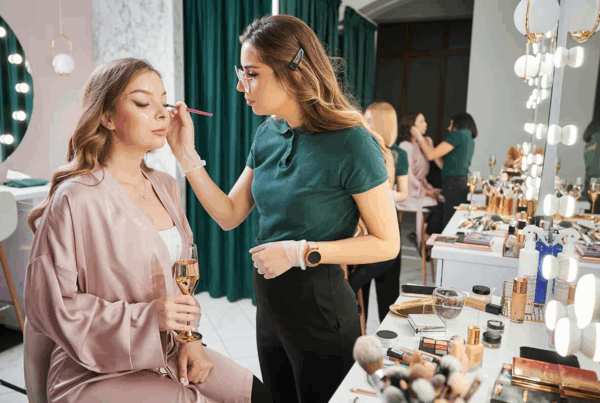
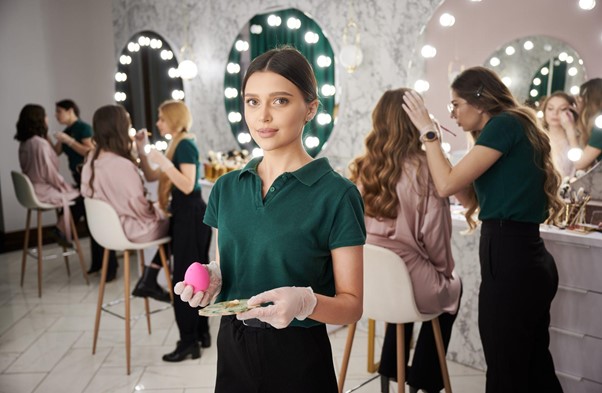
Hands-on training is where classroom knowledge becomes practical expertise. Students begin working in environments that reflect real salons and skincare facilities. This transition allows for the application of learned techniques under guided supervision.
Clinics are equipped with tools and products commonly used in the industry, helping students become familiar with professional standards. Training includes the use of recognized product lines such as Circadia and Mettle makeup, ensuring that students gain experience with materials found in skincare and beauty settings.
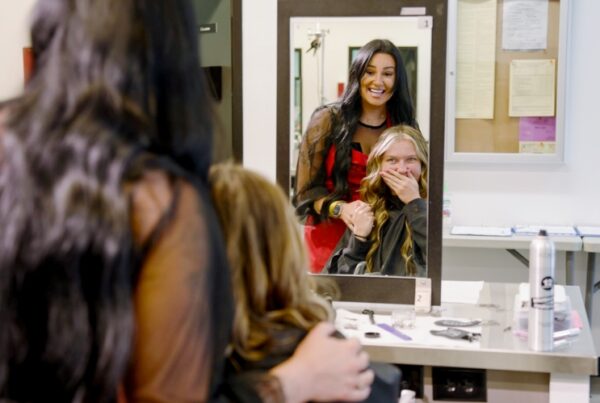
This phase builds confidence, precision, and consistency. Repeated practice allows students to refine their techniques while maintaining client comfort and safety. Exposure to real-world scenarios prepares students for the expectations of professional environments.
Understanding the Structure of Esthetician Training Programs
A structured learning path is essential for consistent progress. Many esthetician training programs follow a clearly defined timeline that balances theory with practical application.
The esthetics program includes a total of 600 hours of training. This duration ensures that students receive comprehensive instruction while also dedicating significant time to hands-on practice. Each stage of the program is designed to build upon previous knowledge, creating a steady progression from beginner to skilled practitioner.
Students also receive a customized esthetics kit, which includes essential tools such as make-up products, eyelash supplies, a wax kit, and items required for state board testing. These tools support both classroom learning and clinical practice, allowing students to develop familiarity with the equipment used in professional settings.
Developing Professional Standards Through Daily Practice
Success in the beauty industry requires more than technical ability. Professional habits and consistency are equally important. Training emphasizes daily behaviors that contribute to long-term growth.
The framework known as the 5 A’s plays a central role in shaping student development:
- Accountability
- Academics
- Attitude
- Appearance
- Attendance
These principles guide both students and instructors, creating an environment focused on responsibility and improvement. Each element contributes to building a strong work ethic, which is essential for maintaining client trust and delivering consistent results. By incorporating these values into daily routines, students develop the discipline needed to succeed in professional environments.
Gaining Recognition Through Achievement-Based Learning
Motivation and recognition are important parts of the learning experience. Structured achievement systems encourage students to stay focused and committed throughout their training.
The Red Apron Program highlights student progress through visible accomplishments. By reaching specific goals, students earn different levels of achievement, including first, second, third, and Golden Key aprons. These milestones reflect dedication, improvement, and consistency.
Wearing these aprons allows students to demonstrate their progress while building confidence in their abilities. This system reinforces the importance of setting goals and maintaining focus throughout the program.
Esthetics Program at Kenneth Shuler School of Cosmetology
The esthetics program offered at Kenneth Shuler School of Cosmetology is designed to prepare students for both licensing and career readiness. The program combines classroom instruction with practical training, ensuring a balanced approach to education. Students receive hands-on experience in clinics that reflect real salon environments. Training includes the use of professional products and tools commonly found in skincare facilities.
Conclusion
A career in skincare begins with the right education and practical experience. Esthetician training programs provide the structure needed to move from classroom learning to real-world application. Through a combination of theory, hands-on practice, and professional development, students gain the skills required to succeed in the beauty industry.
For those exploring esthetician schools in South Carolina, selecting a program that offers both comprehensive instruction and practical exposure is essential. Kenneth Shuler School of Cosmetology stands as a strong option for individuals seeking structured training, hands-on experience, and preparation for state licensing requirements.
Take the next step toward a future in skincare by exploring the esthetics program and beginning a path that leads from the classroom to the salon floor.